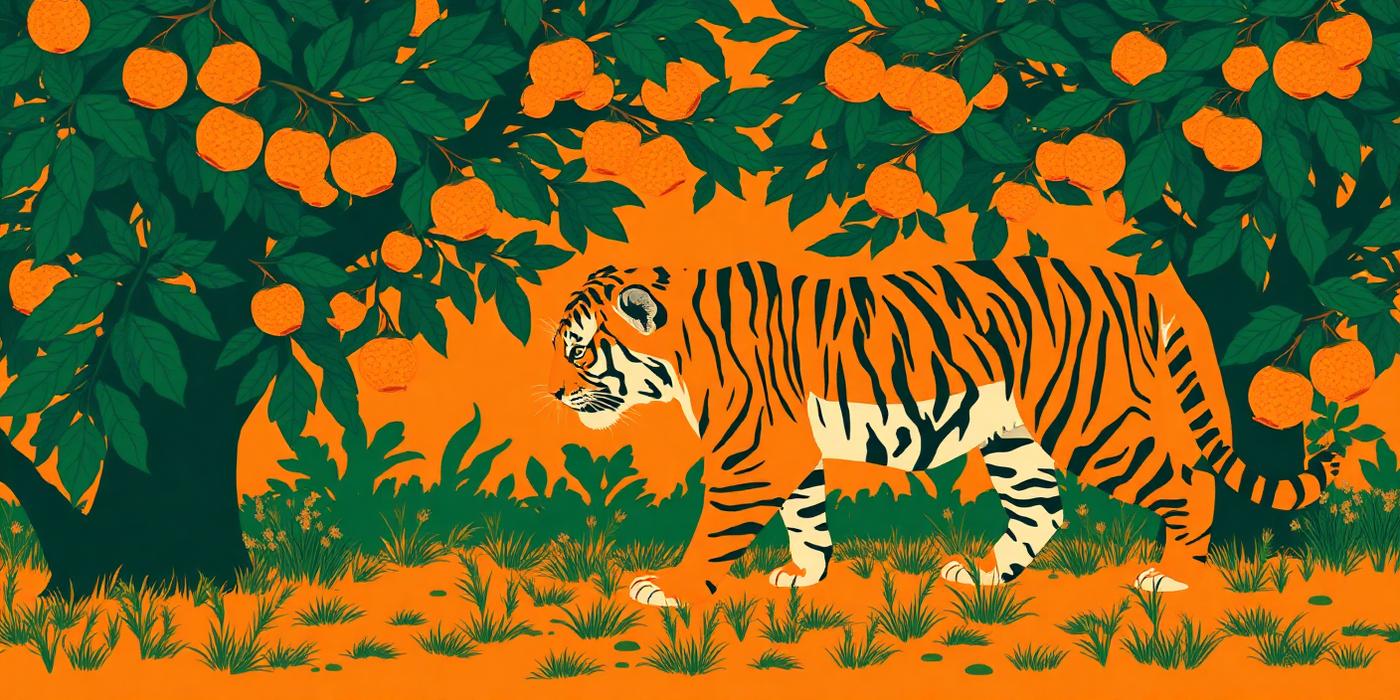
Say "Sawai Madhopur" and most Indians think of one thing first — Ranthambore's tigers padding through dry deciduous forest at dawn. But locals know the district by a second, quieter reputation: the amrood belt of Rajasthan. Between the ravines and the Aravalli foothills lies one of the state's largest guava-growing zones, its winter harvest supplying markets from Jaipur to Delhi.
An orchard district beside a tiger reserve
Guava does exceptionally well here. Cool winter nights, warm days and a mineral-rich soil profile give the fruit its soft, floral character — creamy pink flesh, thin skin, an aroma that fills a room before you've cut it. Villages across the district — around Bamanwas, Gangapur City, Bonli and beyond — are dotted with family-run orchards, some tended by three generations of the same household. In peak season, tractors line up before dawn at the district's own guava mandi, where crates are graded and sent onward.
The winter culture around amrood in this region has its own rhythm: the first cold snap ripens the fruit, families gift boxes at temple visits, roadside stalls appear along the Delhi–Mumbai railway line, and buyers travel in from Kota, Bharatpur and Bhopal. It's a fruit economy that pre-dates any official recognition — the recognition simply caught up to the reality.
Official recognition: ODOP
Under the Government of India's One District One Product (ODOP) initiative, every district selects a signature product to develop through investment, branding and market access. For Sawai Madhopur, that product is guava. The recognition is meaningful. It channels support toward orchard-side infrastructure — cold storage, grading, packaging, food processing units — and puts the district's amrood on a national map beyond the local mandi.
For growers, ODOP is not just a badge. It is the reason a small processing enterprise can access training and schemes to move from selling raw fruit to selling value-added guava products: jelly, pulp, barfi, dehydrated slices. That transition — from perishable fruit to shelf-stable product — is precisely what allows a brand like Amroodwala to exist.
ODOP vs GI Tag — what's the difference?
The two are often confused. A Geographical Indication (GI) tag is a legal intellectual property protection — it certifies that a product genuinely originates from a specific place and has qualities linked to that origin. Once granted, only authorised producers from that region may use the GI name. Rajasthan is home to several well-known GI-tagged products such as Bikaneri Bhujia, Kota Doria fabric, Molela Clay Work and Kathputlis of Rajasthan.
ODOP, on the other hand, is a government development scheme — a way of identifying each district's most promising product and building an ecosystem around it. It is not a legal certification of origin.
To be transparent: Sawai Madhopur guava does not currently hold a GI tag. What it does hold is ODOP recognition, which is why we describe our fruit as coming from the district's ODOP-recognised guava belt — accurately, and without overstating.
A cultural landscape
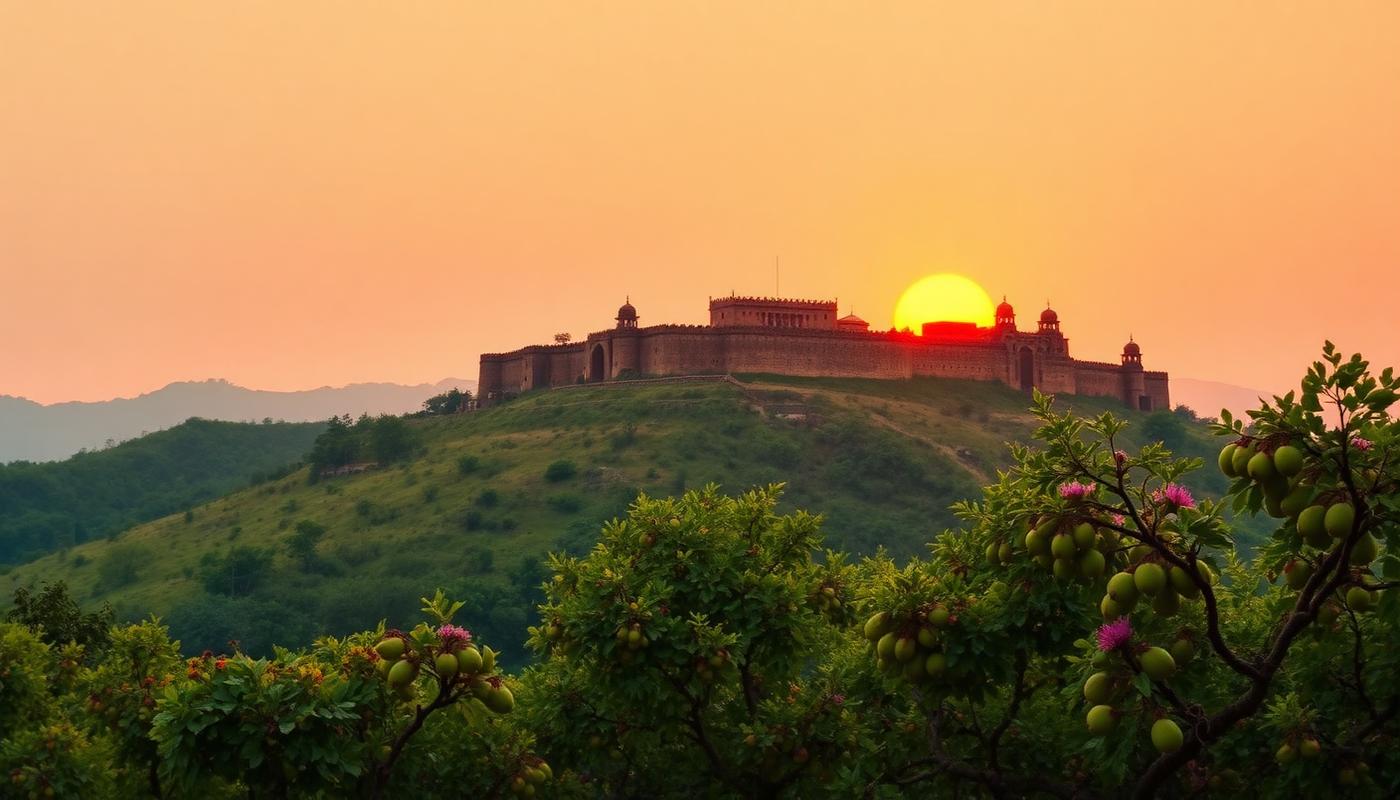
The district's identity is layered. Ranthambore National Park is one of India's most celebrated tiger reserves, drawing wildlife travellers from around the world. Above it stands Ranthambore Fort, part of the Hill Forts of Rajasthan UNESCO World Heritage Site — a tenth-century fortress that has survived Rajput, Mughal and Maratha history.
Pilgrims come, too. The Trinetra Ganesh temple inside Ranthambore Fort is one of the oldest Ganesh shrines in India, said to be established during the reign of King Hammir; it receives thousands of wedding invitations by post each year. Nearby, the Chauth Mata temple in Chauth Ka Barwara draws devotees, especially on Karva Chauth.
The Delhi–Mumbai rail corridor passes right through the district — Sawai Madhopur Junction is a major stop. For decades, travellers stepping off the train have carried back tokens of the place: a memory of a tiger sighting, a photograph of the fort, and often a basket of amrood handed up through the carriage window.
The Rajasthan Healthy Food story
Amroodwala is a brand from Rajasthan Healthy Food, an FSSAI-licensed food maker (Lic. No. 12224038000012) based in Gangapur City in Sawai Madhopur district. We source guava from partner orchards across the district and process it in-house — jelly, pulp, barfi and chocolates — with a simple rule: real fruit, no artificial colours, no shortcuts.
Amroodwala sits alongside our sister heritage brands — Kheer Mohan, our traditional Rajasthani sweets label, and Gazakwala, our winter gazak and til-based sweets brand. Together they represent our attempt to take the food culture of this region — orchard, kitchen and mithai shop — to homes across India.
हिन्दी में सारांश
सवाई माधोपुर सिर्फ रणथंभौर के बाघों के लिए ही नहीं, बल्कि राजस्थान की सबसे बड़ी अमरूद-बेल्ट के लिए भी जाना जाता है। यहाँ की सर्दियों की ठंडी हवा, उपजाऊ मिट्टी और पीढ़ियों से खेती करने वाले किसान परिवार — यही मिलकर उस खास गुलाबी गूदे वाले, सुगन्धित अमरूद को तैयार करते हैं जिसे हम "असली सवाई माधोपुर का अमरूद" कहते हैं।
भारत सरकार की वन डिस्ट्रिक्ट वन प्रोडक्ट (ODOP) योजना के तहत सवाई माधोपुर ज़िले का चयनित उत्पाद अमरूद है। ध्यान रहे — यह GI टैग नहीं है, बल्कि ODOP मान्यता है, जो ज़िले के किसानों और प्रसंस्करण इकाइयों के विकास के लिए एक सरकारी पहल है।
Amroodwala, राजस्थान हेल्दी फ़ूड (FSSAI Lic. No. 12224038000012, गंगापुर सिटी) का ब्रांड है, जो इसी ज़िले के बागों से अमरूद लेकर जेली, पल्प, बर्फी और चॉकलेट बनाता है — असली फल से, बिना कृत्रिम रंग के।